
Exercise Physiology Brisbane
NDIS | Chronic Conditions |
EDS & POTS | Rehabilitation | Performance
We provide expert exercise physiology services across Brisbane, supporting children and adults living with chronic conditions, disability and complex health needs, including EDS, Hypermobility and POTS.
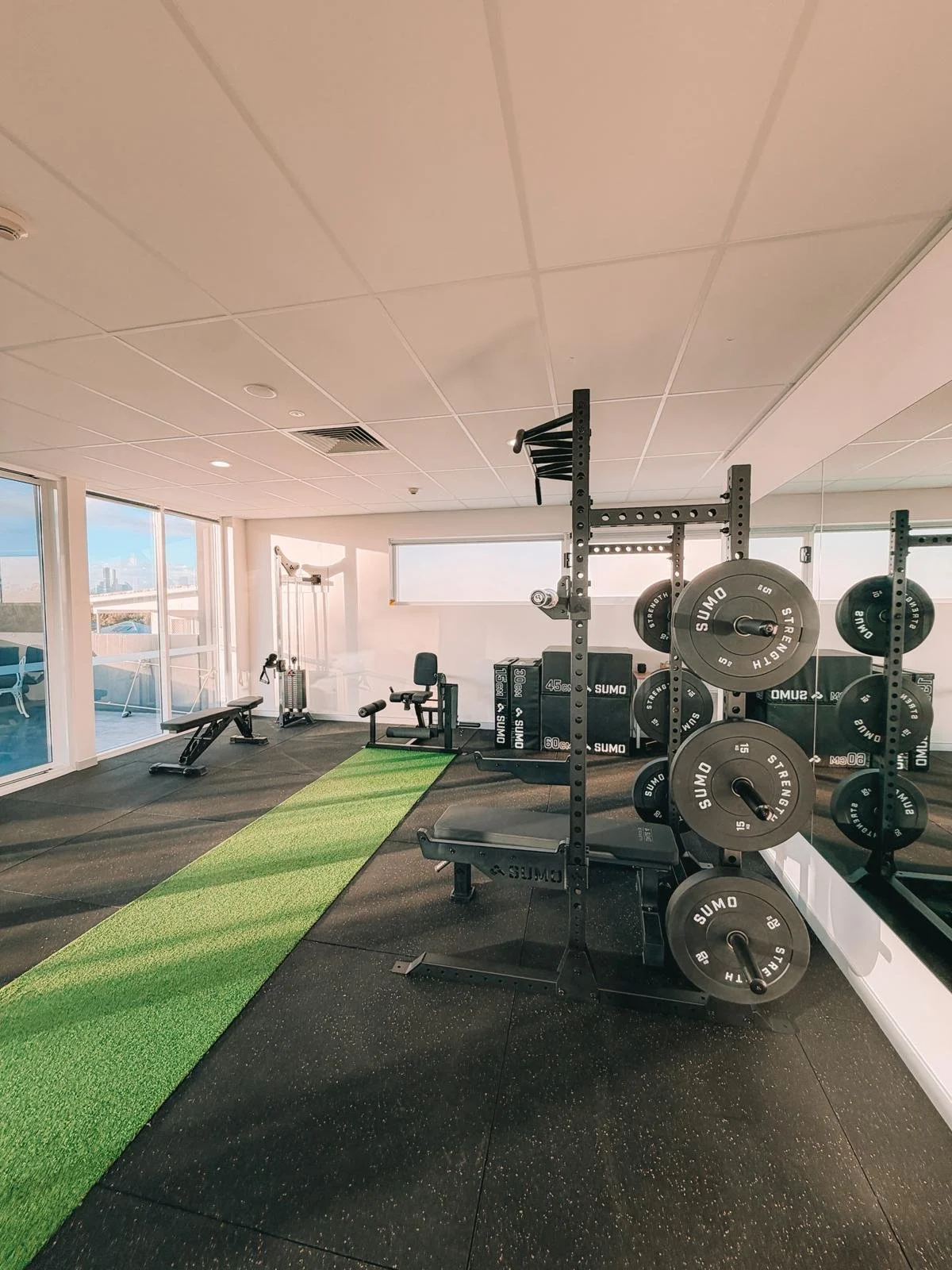
With clinic based and mobile services, we deliver personalised, evidence based exercise programs to support rehabilitation, improve physical capacity and help you perform at your best.
What We Specialise In
-
ADHD affects much more than attention. It can impact emotional regulation, executive functioning, confidence, coordination, sleep, impulse control and participation in school, work and everyday activities. Exercise physiology provides structured, evidence based movement programs that support both physical and mental wellbeing.
Regular exercise has been shown to increase dopamine and norepinephrine, the same neurotransmitters targeted by many ADHD medications. This can help improve concentration, reduce hyperactivity, support emotional regulation and enhance mood. Sessions are designed to be engaging and achievable, helping individuals build consistency and confidence while developing strength, fitness, balance and motor skills.
At Strive Health Collective, programs are individualised to each person's interests, goals and sensory needs, making exercise enjoyable and sustainable for children, teenagers and adults living with ADHD.
-
Autistic individuals often experience differences in motor coordination, balance, muscle strength, sensory processing and confidence participating in physical activity. Exercise physiology provides personalised movement programs that support physical development while respecting each person's communication style, sensory preferences and individual goals.
Exercise can improve coordination, body awareness, strength, cardiovascular fitness and functional independence while also supporting emotional regulation, confidence and participation in everyday activities. Sessions are tailored to each individual, using predictable routines, visual supports and interests to create a positive and supportive environment.
Whether the goal is improving gross motor skills, participating in sport, increasing independence or simply becoming more active, exercise physiology provides practical strategies that can make movement enjoyable and meaningful.
-
Children develop best when movement is enjoyable. Paediatric exercise physiology uses evidence based exercise and play based activities to support children's physical, social and emotional development.
Programs can help improve strength, coordination, balance, motor skills, posture, endurance, confidence and participation in sport and everyday activities. Children living with developmental conditions, disabilities, chronic health conditions or injuries often benefit from structured movement programs that are tailored to their age, abilities and interests.
Sessions are designed to feel engaging rather than clinical, helping children develop lifelong confidence in movement while supporting healthy physical development.
-
Exercise physiology is an evidence based allied health service that helps NDIS participants improve their functional capacity, independence and quality of life.
Programs are tailored to each participant's goals and may focus on improving mobility, strength, balance, coordination, endurance, community participation, emotional wellbeing or independence with daily activities. Exercise physiology can also support pain management, chronic conditions, disability specific needs and injury prevention.
At Strive Health Collective, programs are individualised and goal focused, with regular communication between families, support coordinators and the participant's healthcare team to ensure therapy remains meaningful and outcomes focused.
-
People living with POTS often experience dizziness, rapid heart rate, fatigue, brain fog and exercise intolerance, making everyday activities challenging. Exercise physiology provides structured, gradual exercise programs designed specifically for autonomic dysfunction.
Programs often begin with seated or recumbent exercise before progressing towards upright activities as tolerance improves. The goal is to improve cardiovascular fitness, increase blood volume, strengthen the muscles that assist circulation and reduce symptom severity over time.
Exercise is progressed carefully based on individual symptoms, allowing people to safely improve function while reducing the fear often associated with exercise.
-
Persistent pain can make movement feel difficult, however avoiding activity often contributes to increased pain, reduced strength and loss of confidence. Exercise physiology uses evidence based exercise to safely rebuild movement, improve function and reduce disability.
Programs are tailored to each person's pain presentation and focus on gradually improving strength, mobility, endurance and confidence without unnecessarily aggravating symptoms. Education around pain science also helps individuals better understand their condition and reduce fear of movement.
The goal is not simply reducing pain, but improving quality of life and helping people return to meaningful activities.
-
Chronic fatigue can significantly affect daily functioning, making even simple tasks feel overwhelming. Exercise physiology focuses on balancing activity with recovery to improve function without worsening symptoms.
Programs are carefully individualised using pacing strategies, symptom monitoring and gradual progression. Rather than pushing through fatigue, sessions help individuals better understand their energy limits while maintaining strength, mobility and physical function.
Exercise physiology works alongside the broader healthcare team to support long term symptom management and improve quality of life.
-
Exercise plays an important role in supporting mental health and wellbeing. Research consistently shows that regular physical activity can reduce symptoms of anxiety and depression while improving mood, sleep quality, confidence and stress management.
Exercise physiology provides structured, personalised programs that help individuals establish sustainable exercise habits based on their interests, abilities and goals. Sessions also support emotional regulation, routine building and social participation where appropriate.
Exercise physiology is not a replacement for psychological therapy, but works alongside psychologists, GPs and other healthcare professionals as part of a holistic treatment approach.
-
Whether you're a young athlete looking to improve performance or returning from injury, exercise physiology provides evidence based strength and conditioning programs designed to help you perform at your best.
Programs focus on developing strength, power, speed, agility, endurance and movement efficiency while reducing injury risk. Individual assessments identify areas of weakness, mobility restrictions and movement patterns that may affect performance.
Training is tailored to your sport, age and competition level, helping you perform with confidence while supporting long term athletic development.
-
Recovering from injury involves more than simply waiting for pain to settle. Exercise physiology provides progressive rehabilitation programs that restore strength, mobility, confidence and function following injury or surgery.
Programs are based on current evidence and individual recovery goals, ensuring exercise progresses safely through each stage of rehabilitation. Common conditions include ligament injuries, tendon pain, fractures, joint replacements, back pain and sporting injuries.
The goal is to help you return safely to work, sport and everyday activities while reducing the risk of future injury.
Meet Our Team

Chloe Breedon
Director & Exercise Physiologist
Chloe is an Accredited Exercise Physiologist and the founder of Strive Health Collective, with a passion for helping individuals of all ages improve their health, confidence and quality of life through movement. She has a special interest in supporting children and adolescents, individuals living with disability and those living with complex conditions including Ehlers-Danlos Syndrome (EDS), Postural Orthostatic Tachycardia Syndrome (POTS), Chronic Fatigue and Chronic Pain. Chloe takes a personalised and collaborative approach to care, creating enjoyable and meaningful programs that empower clients to achieve their goals and participate more fully in everyday life.
Contact Us
Not sure where to start? That’s okay.
Whether it’s supporting your child’s development, returning to sport or improving your health, we’re here to help.
We take a personalised approach to every individual, ensuring the support you receive is tailored to your goals, needs and stage of life.
Fill out the form and we’ll be in touch soon.
We’d love to support you on your journey.